In Vienna, estate liquidation is becoming more common as families face changing lifestyles, property transitions, aging populations, and economic shifts. While many people associate estate liquidation with inheritance situations, the process now plays a larger role in housing, finance, and even media discussions about modern living.
Estate liquidation (source: Nachlass auflösen) involves sorting, valuing, selling, donating, or disposing of personal belongings and household assets after major life events. This can include furniture, antiques, artwork, electronics, jewelry, appliances, documents, and entire property contents.
News and media outlets often cover stories related to housing transitions, rising urban costs, downsizing, sustainability, and inheritance disputes. Estate liquidation connects closely to many of these topics because it reflects how people manage property, possessions, and family responsibilities during periods of change.
As cities continue to evolve, professional estate liquidation services help families, businesses, and property owners manage difficult situations in a structured and respectful way. Beyond financial concerns, estate liquidation also reflects emotional, social, and cultural changes happening within modern society.
Why Estate Liquidation Is Becoming More Common
Several social and economic factors have increased the demand for estate liquidation services in Vienna and other major cities.
One major reason is population aging. As older generations downsize, move into assisted living, or pass away, families are often left managing homes filled with decades of accumulated belongings. Sorting through these items can become physically exhausting and emotionally overwhelming.
Urban living trends also contribute to this demand. Apartments in large cities are becoming smaller, and younger generations often prefer minimalist lifestyles with fewer possessions. Inherited furniture, collections, and household goods may not fit modern living spaces or personal lifestyles.
Economic conditions also play a role. Rising property costs encourage faster property turnover, especially in competitive housing markets. Estate liquidation helps families prepare homes for sale, rental, or renovation more efficiently.
Media coverage frequently highlights issues connected to inheritance disputes, abandoned properties, rising waste production, and sustainability concerns. Estate liquidation services support solutions to many of these challenges by helping organize, recycle, donate, and responsibly dispose of belongings.
Another growing factor is mobility. Modern families are more likely to relocate internationally for work or education. When managing inherited properties from a distance, professional liquidation services provide practical assistance that reduces stress and logistical difficulties.
Estate liquidation has also become more visible in television programs, online content, and news reporting focused on decluttering, property transformations, and sustainable living. These discussions have increased public awareness about the importance of responsible property management.
The Role of Professional Estate Liquidation Services
Estate liquidation involves much more than removing unwanted items from a property. Professional services help organize the entire process carefully and respectfully.
In many situations, families must sort through large amounts of belongings while also dealing with emotional stress connected to grief or major life changes. Professional estate liquidation companies provide structure and efficiency during these difficult periods.
Their services may include inventory management, item sorting, furniture removal, donation coordination, recycling, disposal, and property preparation. Some companies also help identify valuable antiques, collectibles, or artwork that may require special handling or resale.
One major advantage is time efficiency. Clearing an entire property without professional support can take weeks or even months. Experienced teams help complete the process much faster while maintaining organization and safety.
Responsible disposal is another important benefit. Vienna has strict recycling and waste management regulations. Professional liquidation companies understand how to separate recyclable materials, electronics, furniture, and household waste correctly.
Many reusable items are also donated whenever possible. Clothing, furniture, books, and household goods in good condition may support charities, secondhand organizations, or community donation programs instead of ending up in landfills.
Professional services are especially valuable for families living outside Vienna who need assistance managing inherited properties remotely. Having experienced local teams handle logistics helps reduce travel demands and emotional strain.
Property owners and real estate professionals also benefit from estate liquidation services. Cleared properties are easier to inspect, renovate, photograph, and prepare for sale or rental. Faster property turnover supports both financial efficiency and housing availability.
How Estate Liquidation Reflects Modern Social Change
Estate liquidation often reflects broader social and cultural shifts happening within society. The belongings people leave behind reveal changing lifestyles, consumer habits, and family structures across generations.
Older generations often kept furniture, books, and household items for many decades. In contrast, younger generations may prioritize mobility, digital lifestyles, and minimalism. This difference changes how inherited belongings are viewed and managed.
Media discussions around sustainability have also influenced estate liquidation practices. More people now support recycling, donation, and reuse instead of sending large amounts of household goods directly to landfills. Professional liquidation services help support these environmentally responsible approaches.
Housing trends are another important factor. As urban populations grow, efficient property management becomes increasingly valuable. Estate liquidation helps prepare homes for new occupants more quickly, which supports housing turnover in competitive cities like Vienna.
From an emotional perspective, estate liquidation also helps families move forward after major transitions. While sorting through personal belongings can feel difficult, organized support allows people to focus on preserving meaningful memories rather than becoming overwhelmed by physical clutter.
Many families discover that professional assistance makes emotionally difficult situations easier to manage. Respectful handling of personal belongings helps maintain dignity during sensitive moments.
Choosing the right estate liquidation company in Vienna is important for ensuring a smooth experience. Families should look for providers with transparent pricing, professional communication, responsible disposal methods, and strong customer reviews.
As discussions around housing, sustainability, aging populations, and urban living continue to grow in the media, estate liquidation services will remain an important part of modern city life.
For many residents in Vienna, estate liquidation is not simply about clearing a property. It is about managing change responsibly, preserving dignity, and helping families move through important life transitions with greater support and organization.



 1-Accuracy is the one thing that should be the top priority.

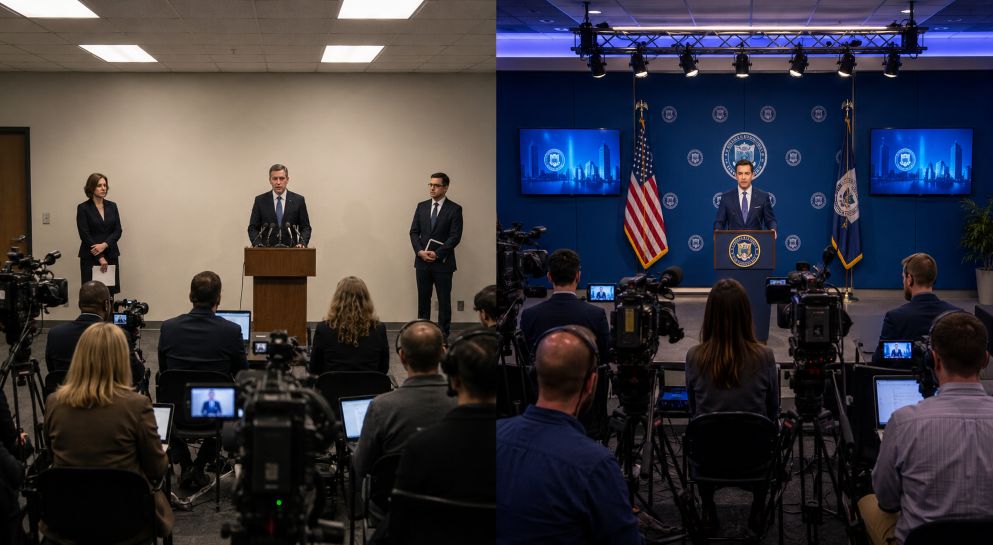




 Technology improves the manner in which news is collected, shared and taken. The analytics of data, multimedia narration, and real-time reporting enhance the level of involvement among the audience and increase coverage.
 These days, ticket machines can be used on phones. Near-field communication (NFC) technology, digital wallets, and QR codes can be used instead of paper tickets to make them safer, more handy, and less wasteful.
 Before digging in, let us first analyze how social media works.
 These sources provide in-depth research, news about specific companies, and commentary from industry experts on current trends. Independent websites and a thriving community of financial bloggers provide a wealth of information. Find someone who has been successful in the past and who uses data-driven analysis.
 It might be difficult to keep up with the news in today’s fast-paced world. Rest assured, my fellow news junkie! If you’re looking for an app that can personalize your news feed to your tastes, there are many of great options. We may discuss the top ways to keep you informed.
 Look into how well-known the source is. Are they well-known and trustworthy? Look for well-known news sources that have a past of telling the truth.






 News stories often focus on major developments such as new housing projects, community improvements, and business growth. While these headlines attract attention, many smaller industries quietly contribute to the success of local communities every day. A hardwood fencing company is one example. Through skilled craftsmanship and quality materials, these businesses help improve homes, support local economies, and create safer, more attractive neighbourhoods.
 Luxury residential communities remain in demand all over Europe, with ongoing interest from both local and foreign purchasers. Real estate activity is driven by economic trends. Certain markets are resilient and can withstand the economic trends, as compared to a lot of the traditional markets out there.
 In Vienna, estate liquidation is becoming more common as families face changing lifestyles, property transitions, aging populations, and economic shifts. While many people associate estate liquidation with inheritance situations, the process now plays a larger role in housing, finance, and even media discussions about modern living.
 Water tanks don’t usually get much attention. Once installed, they tend to be forgotten until there’s a problem. But with