

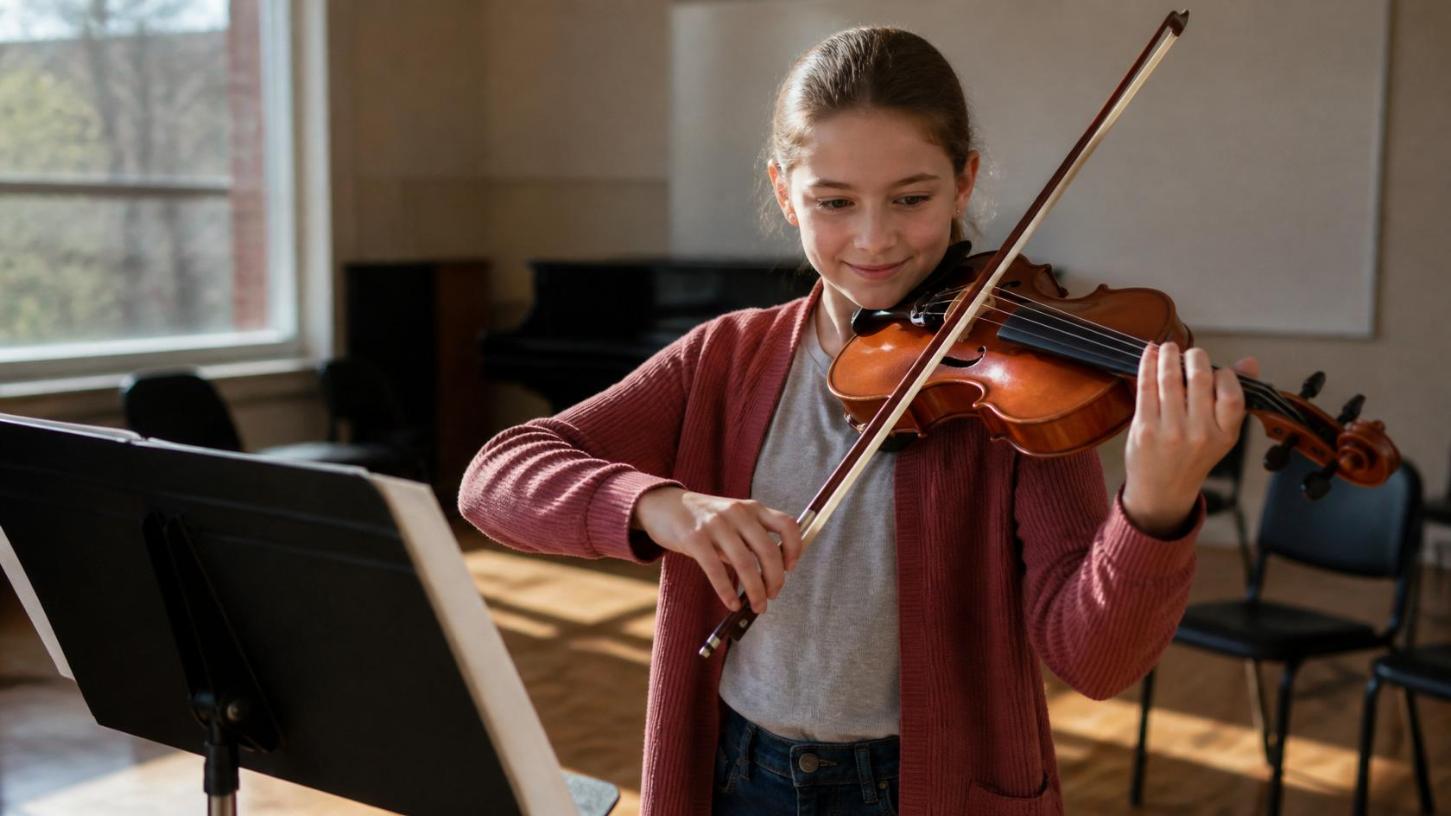
A middle school band room in a mid-sized town has never been worthy of an evening news spot. That changed last spring when a district administrator mentioned, almost offhand, that viola rental requests had tripled from the prior fall semester.
A local reporter caught it. Within a week, three other education outlets in neighboring counties had picked up the story. That is the kind of small, easy-to-miss detail that good reporters live for.
Seeing a niche instrument become an early warning signal for a much larger issue is strange, but that is exactly what has been unfolding across education, arts, and community funding beats. Student interest in string instruments is pushing advocacy, and that advocacy is pushing reporters to ask harder questions about school budgets.
The answers, more often than not, are uncomfortable.
The Budget Story Nobody Wanted to Write
Arts coverage has sat near the bottom of most assignment lists for a long time. A ribbon-cutting at the new gym gets its own photographer. A 15 percent budget cut to orchestra funding gets, if anything, a single line buried in a school board meeting recap. That is slowly changing, and it is largely because families stopped staying quiet.
A parent I met at a school fundraiser said it plainly: “No one told us the orchestra program was on the chopping block until my daughter came home crying.” Reporters have used that kind of statement to reframe the whole story. It stops being a budget summary and starts being a story about what budget decisions actually do to kids.
Newsrooms are starting to treat arts funding not as a delicate subject but as a window into how a district is managing equity, creativity, and the academic future of its students. When a string program runs out of funding, something has to fill that gap, and more reporters are now asking what that something is.
Why Instruments Became a Data Point
Education reporters like numbers they can follow over time, and instrument demand has turned out to be more useful than most people expected. Orchestra enrollment is one data point. Waitlists for school-owned instruments are another.
But the sharpest signal has come from something one step outside the classroom entirely: how many families are going to outside companies for viola rental simply because their school does not have enough instruments to go around.
Once a few reporters started pulling on that thread, a whole set of budget questions that had been sitting untouched came spilling out.
It might look like a small thing on the surface, but instrument availability creates a real divide. If public schools cannot supply violas, cellos, or basses, families either purchase instruments on their own or their children lose the chance to play at all.
That divide does not get much attention on its own because it maps so closely onto income and zip code, and those are stories that are easy to overlook.
A K-12 education colleague of mine put it well. “If a student is without a textbook, that is a story. If a student cannot get an instrument because of an 18-month waitlist, that is also a story, just in a different form.”
A Favorite Topic for Human Interest Stories
It is not hard to see why these stories travel beyond the education beat. The instruments are not really the point. The point is the kids chasing something they love, and the adults around them scrambling to make it work while the waiting drags on.
One story that landed squarely in human interest territory involved a seventh-grade student who spent an entire school year on the district waitlist before her mother put together a small fundraiser to pay for a private instructor instead.
The detail that stuck with readers was this: she was practicing on an instrument three sizes too large because it was the only one she could get her hands on. That image carried the story further than any funding chart could have, and it drew attention in the same way news covering the reasons why you should learn the guitar during COVID-19 did, where personal drive became the real headline.
Editors say character-driven stories consistently outperform the budget-heavy ones for reader engagement. Numbers matter, but people feel stories first.
Where Arts Stories Rank in Newsroom Content
Arts stories are not going to get their own dedicated sections in local papers any time soon. Most newsrooms are running lean, and editors are making constant calls about what earns regular coverage. What has shifted is that decisions around arts and music programs are being framed as reflections of how districts handle resource allocation overall.
That framing makes the stories easier for general readers to connect with than a capital budget report.
Thinking Beyond the District Spokesperson
As coverage of this topic has grown, so have the sourcing options. Band directors, private lesson teachers, and local music shop owners have all become go-to voices in situations where district spokespeople offer little or nothing of substance.
Leaning on community-level sources tends to produce reporting that is more grounded and harder to dismiss.
A Gradual Change
Arts stories have not taken over local papers, and they probably should not. But local music and arts programs are getting more attention than they used to, and that attention has pushed funding inequity into conversations where it was not showing up before.
Good local journalism works on the premise that every story is worth telling, no matter how ordinary the setting. A band room. A waitlist. A kid running through scales on a borrowed instrument two sizes too big. Those ordinary scenes say more about what a community values than any spreadsheet ever will.